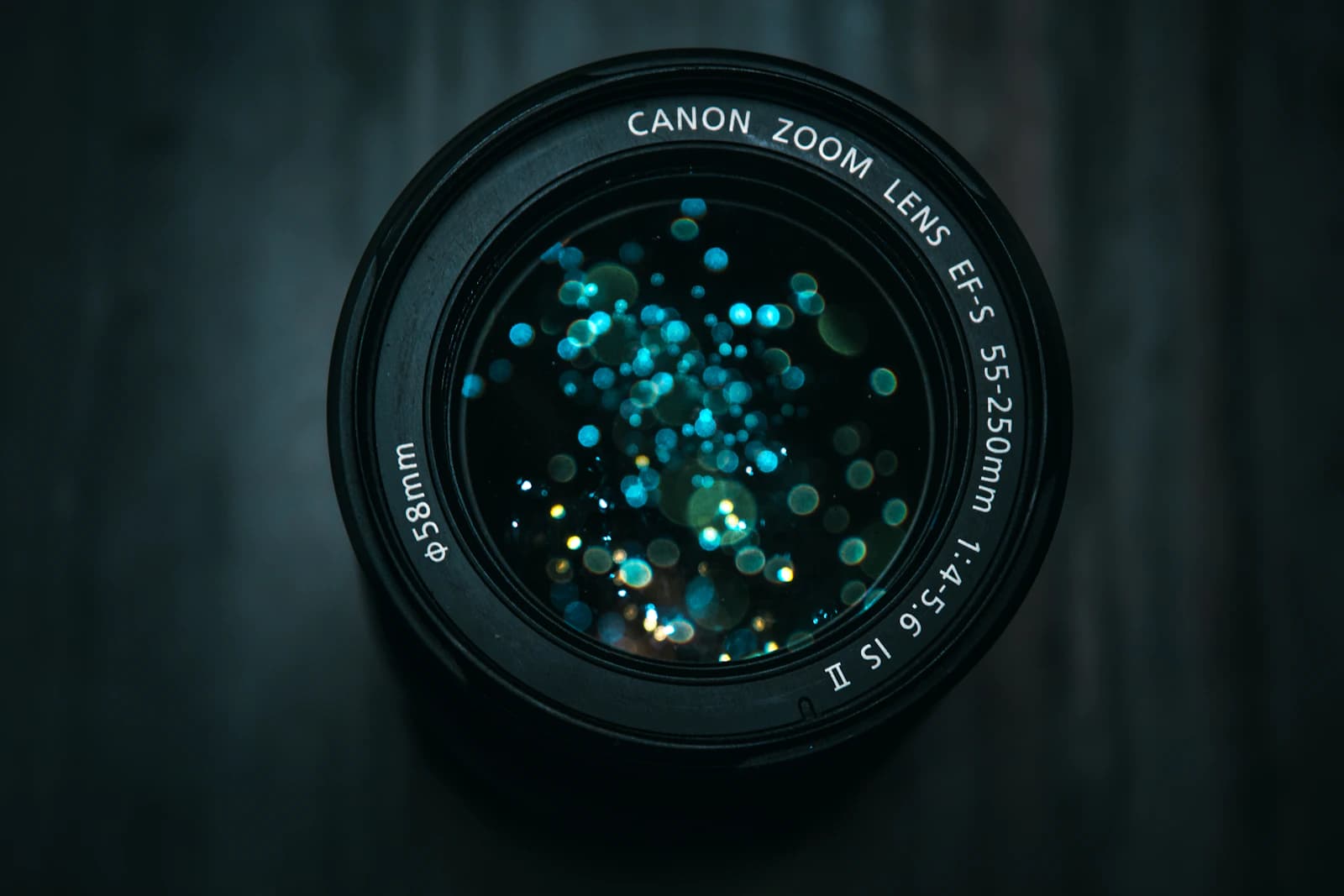
Focal length gets talked about mainly in terms of "zoom" — how close a lens can make something appear — but that framing misses most of what focal length actually does to a photo. Two lenses can put the same subject at the same size in the frame and still produce noticeably different-looking images, because focal length affects far more than magnification.
Quick Answer: Wide-Angle or Telephoto?
Wide-angle lenses fit more of the scene in and exaggerate depth, which suits landscapes, interiors, and architecture. Telephoto lenses frame a narrow slice of the scene and compress the background, which suits portraits, wildlife, and sports.
| Wide-angle (about 14–35mm) | Standard (about 35–70mm) | Telephoto (70mm and longer) | |
|---|---|---|---|
| Field of view | Wide | Moderate, close to a natural view | Narrow |
| Perspective | Exaggerated depth; distant things look small | Natural-looking | Compressed; distant things look closer together |
| Typical subjects | Landscapes, interiors, architecture, night sky | Street, travel, everyday shooting | Portraits, wildlife, sports, details |
What Focal Length Actually Is
Focal length, measured in millimeters, describes how strongly a lens bends light, which determines its angle of view — how wide a slice of the scene in front of it gets captured. A short focal length (14mm–35mm, generally called wide-angle) captures a broad angle of view; a long focal length (85mm and up, generally called telephoto) captures a narrow one. This is the "zoom" effect most people are already familiar with, but it's really a side effect of a more fundamental property: how much of the scene fits in the frame.
Field of View: How Much Fits in the Frame
At a wide focal length, you can fit an entire room, a full building facade, or a sweeping landscape into one frame from a normal shooting distance. At a telephoto focal length, you're isolating a much smaller slice of the scene — useful for picking a distant subject out of a busy environment, but it means you generally need much more physical distance from your subject, or a much smaller subject area, to get everything you want in frame.
Perspective: The Part Most People Miss
This is the effect that surprises people the most: focal length itself doesn't change perspective — your shooting distance does — but because wide and telephoto lenses are typically used at very different distances to keep the subject a similar size in frame, the two feel like they produce different perspectives. A wide-angle lens used close to a subject exaggerates the size difference between near and far elements — a hand reached toward the camera looks oversized, a foreground rock looks huge relative to a background mountain. A telephoto lens used from far away compresses that same relationship — distant elements appear closer together in size and distance than they actually are, which is why telephoto shots of, say, a moon rising behind a building make the moon look dramatically larger relative to the building than it would appear to the naked eye.
Background Compression and Depth of Field
Longer focal lengths also compress depth of field more at a given aperture and distance, which is part of why telephoto lenses are so associated with smoothly blurred backgrounds — as covered in more detail in our guide on depth of field, a longer lens makes it easier to isolate a subject from its background even at a moderate aperture, while a wide-angle lens tends to keep more of the scene, foreground to background, in relatively sharp focus.
Matching Focal Length to Subject
Wide-angle (14mm–35mm) suits landscapes, architecture, interiors, and anything where you want to convey a sense of a whole space, plus situations where you're working in a physically tight area and can't back up further.
Standard (35mm–70mm) is the most versatile range, roughly matching how the human eye perceives a scene, and is a reasonable default for everyday and general-purpose shooting.
Telephoto (85mm and up) suits portraits (where the compressed perspective is generally flattering and the shallow depth of field separates the subject from the background), wildlife and sports (where you often can't physically get close to the subject), and any situation where you want to isolate one element out of a busy or distant scene.
The Takeaway
Choosing a focal length isn't just about how much of the scene fits in frame — it's a decision about perspective, background separation, and how the relationships between near and far elements will read in the final image. The same subject shot wide and close versus long and far can tell two genuinely different visual stories, even at an identical framing.